Is lithium battery safe?
2026-01-10 16:51:59


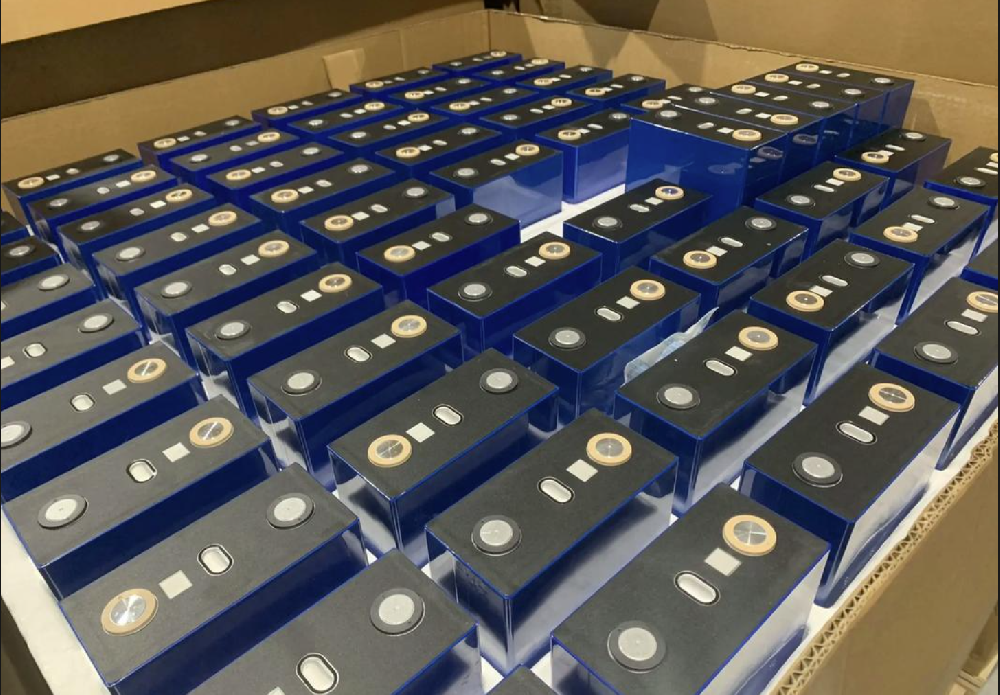
Is lithium battery safe?
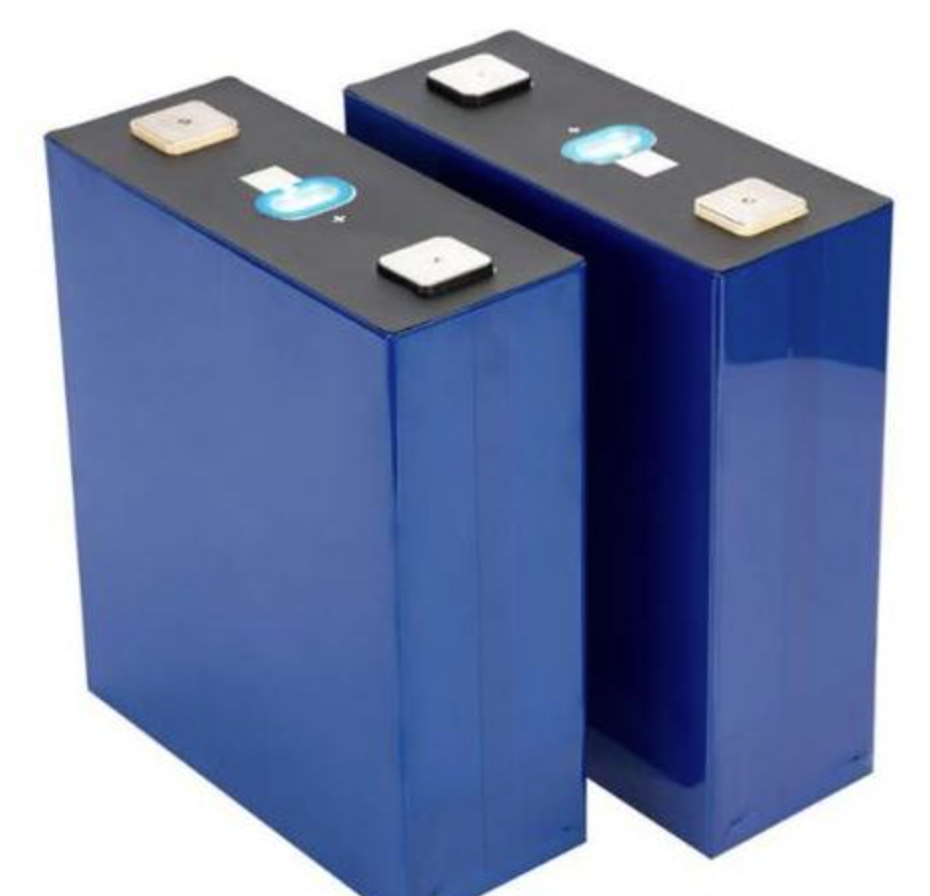
The Correct Charging Method for Lithium Iron Phosphate Batteries
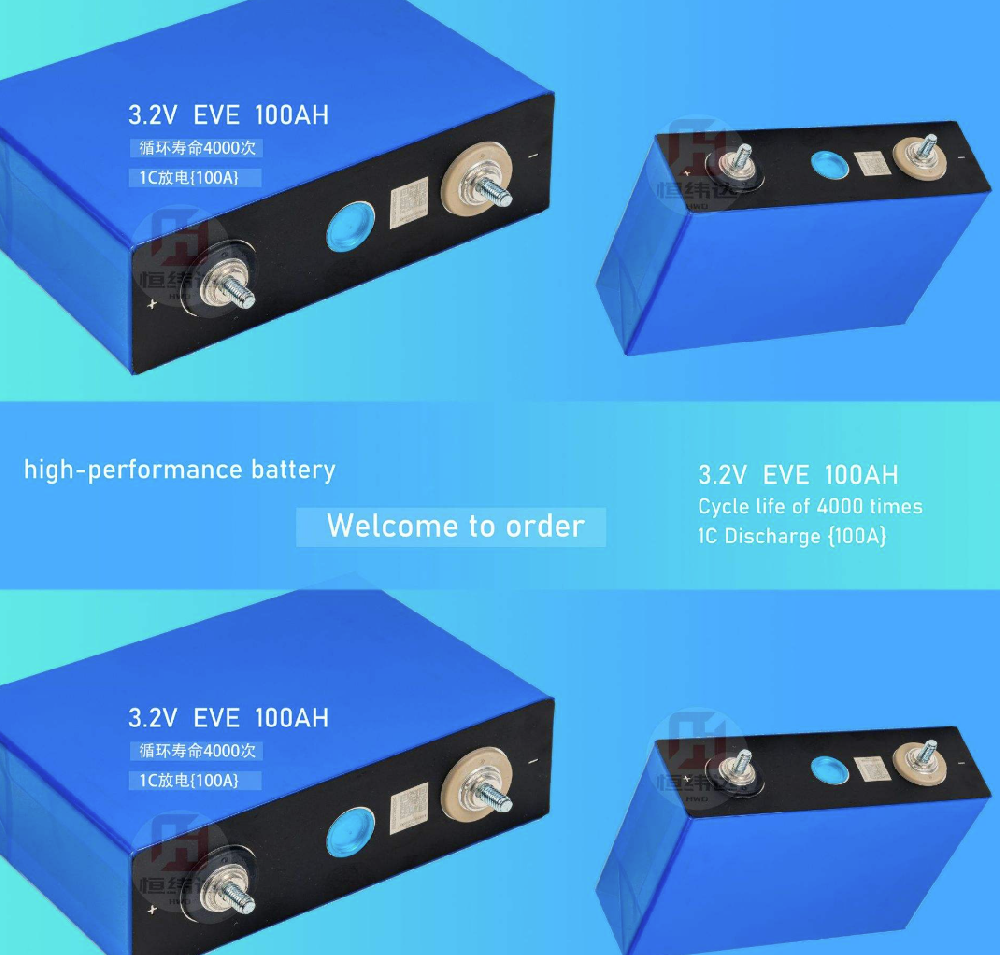
Which has the longest lifespan: graphene, sodium batteries, lithium batteries? Why is the lithium iron phosphate battery recommended?
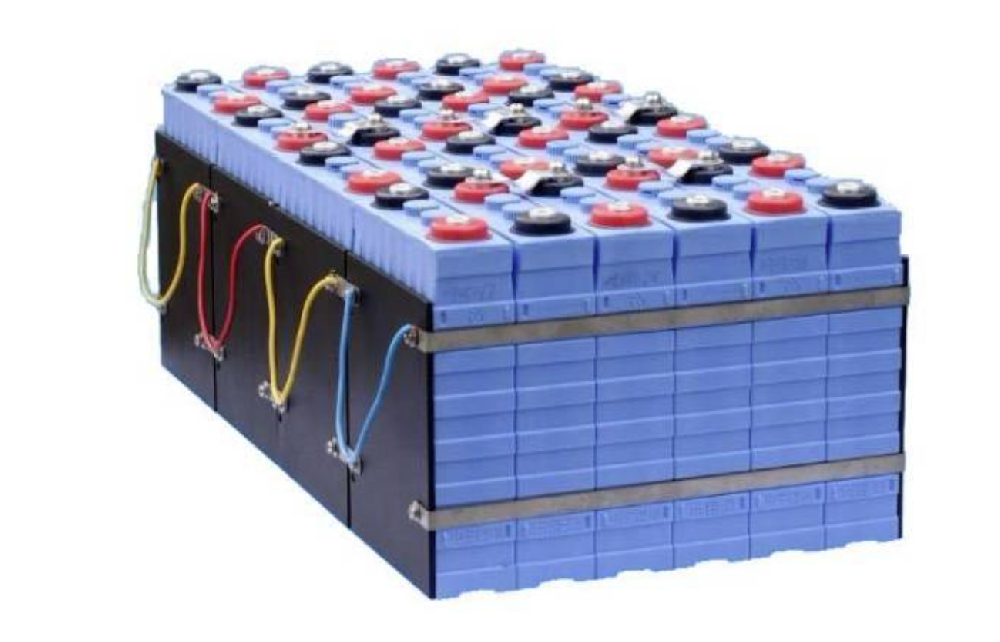
How long does the service life of lithium iron phosphate batteries typically last?
The safety of lithium batteries depends on product quality and usage conditions. Products from reputable brands are generally safe when used correctly, but there are still risks such as thermal runaway if the product is of poor quality or used improperly. Here is a detailed analysis:
Detailed analysis of the safety risks of lithium batteries
The core risks of lithium batteries include:
1. Thermal runaway: Internal short circuits or high temperatures (>90°C) may trigger a chain reaction, causing a sudden temperature increase (reaching 500°C within 87 seconds) and even combustion, especially for lithium-ion batteries which are more sensitive.
2. Mechanical and electrical abuse: Excessive deformation by compression or vibration fatigue may damage the internal structure, increasing the risk of short circuits; overcharging and overdischarging can lead to gas release or explosion.
3. Manufacturing defects: Poor-quality cells (such as recycled materials) or poor packaging can significantly increase the accident rate. Most of the lithium-ion battery fires in electric vehicles in 2023 involved such batteries.
Comparison of safety with lead-acid batteries
• Advantages of lead-acid batteries: More stable chemical properties, better resistance to overcharging and overdischarging, very low risk of thermal runaway, suitable for low-speed electric vehicles and other scenarios. 67
Advantages of lithium batteries: High energy density and long lifespan (with a cycle life exceeding 1000 times), but they require real-time voltage/temperature monitoring by BMS (battery management system) to ensure safety; otherwise, the risks are higher.
Safety improvement measures and technological advancements
1. Mandatory standards: China implemented the GB 44240-2024 standard in August 2025, adding 23 tests (such as puncture, overcharge), requiring no open flames 24 hours after thermal runaway, and 21 products from companies like Nidec have already passed the certification.
2. Technological Innovation:
o Materials: Lithium iron phosphate batteries can withstand temperatures up to 350°C, and solid electrolytes can prevent leakage.
o System: The BMS achieves millisecond-level monitoring (such as synchronous detection of 4096 battery cells for Tesla), with overcharge error < 3%.
User Protection: Free battery health assessments are available in multiple locations (such as Beijing and Zhejiang), to detect potential aging issues.