Is lithium battery safe?
2026-01-10 16:51:59


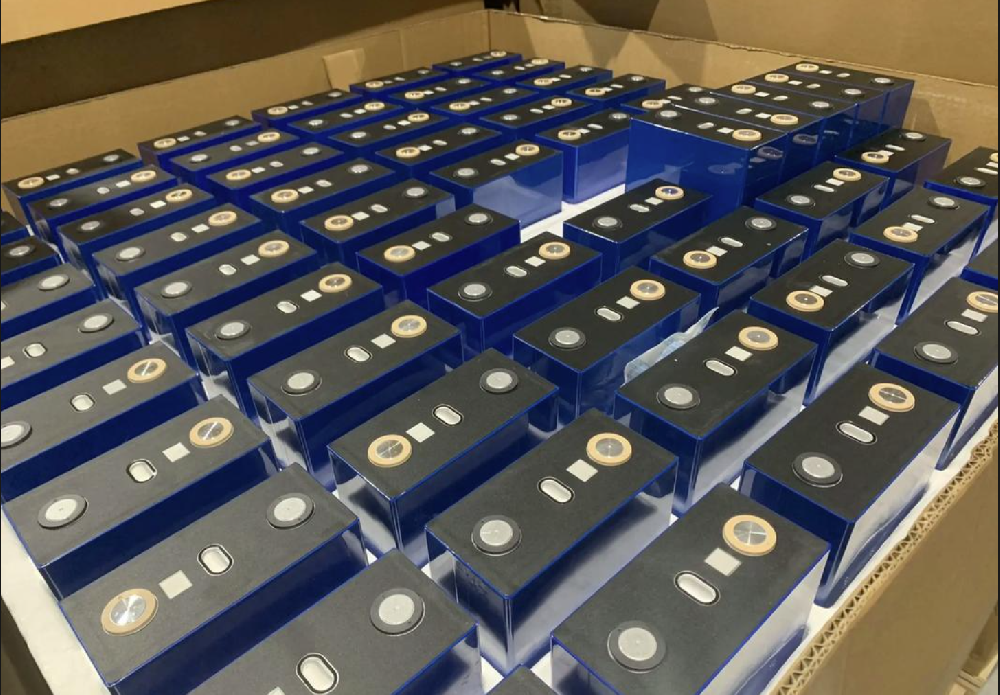
Is lithium battery safe?
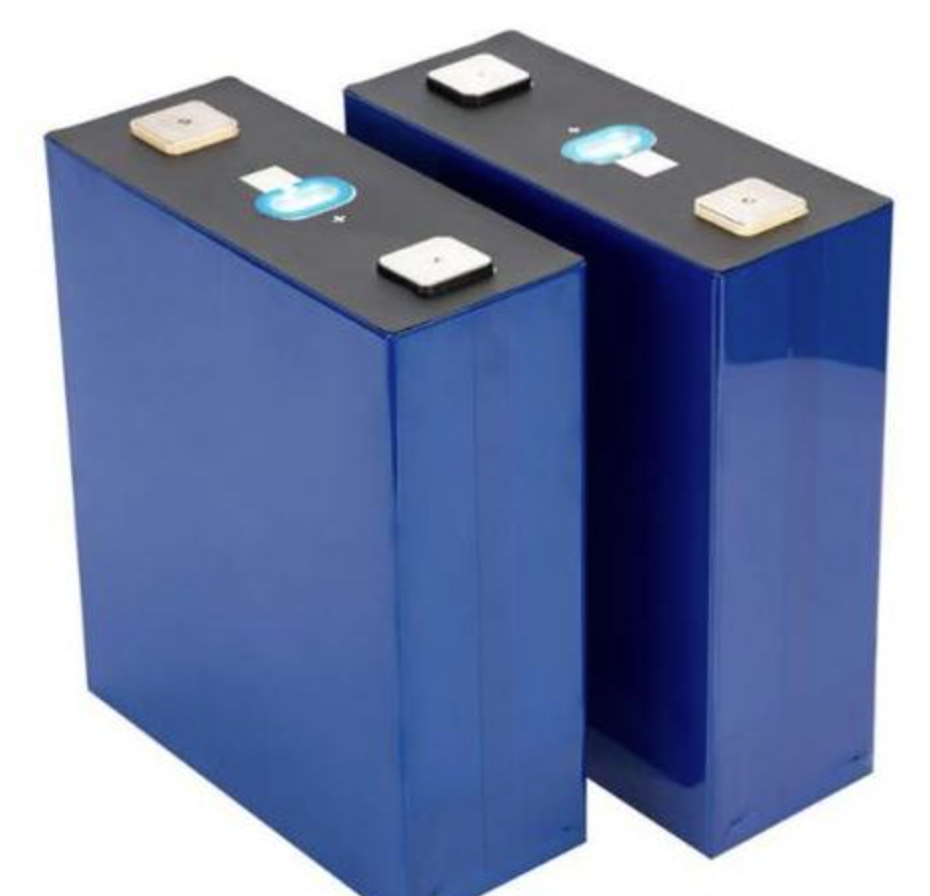
The Correct Charging Method for Lithium Iron Phosphate Batteries
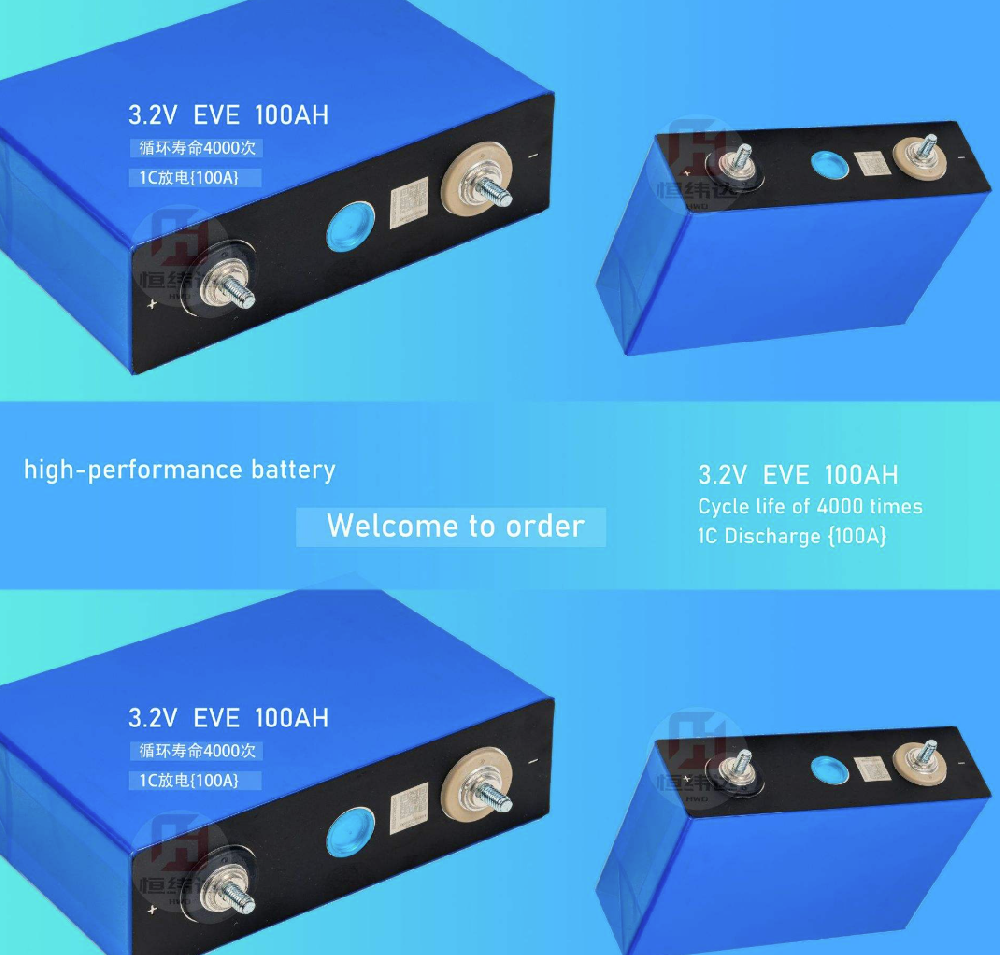
Which has the longest lifespan: graphene, sodium batteries, lithium batteries? Why is the lithium iron phosphate battery recommended?
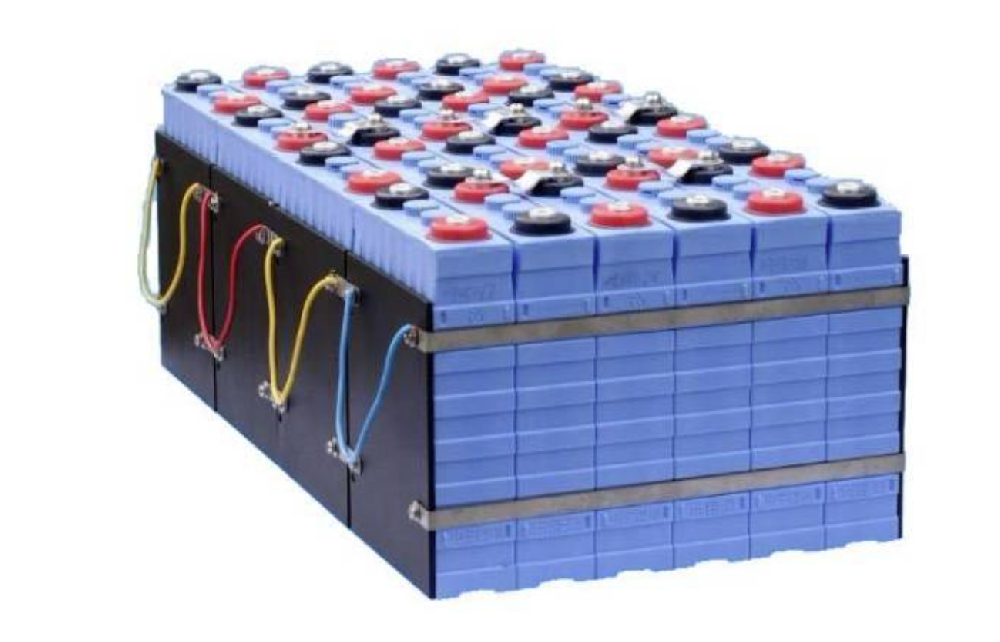
How long does the service life of lithium iron phosphate batteries typically last?
With the rapid development of the global electric vehicle market, batteries, as the core component, their performance and safety directly determine the user experience and service life. Among the current mainstream electric vehicle batteries, including lead-acid, graphene, ternary lithium, sodium battery, and lithium iron phosphate battery, etc., which type has the longest service life? Why is the lithium iron phosphate battery recommended? Because it has 4 major advantages. Let's take a look together.
The service life of lithium iron phosphate battery is the longest.
When using the battery, car owners are most concerned about the service life of the battery. So among these common types of batteries, which one has the longest service life? The service life can be calculated by the number of charge and discharge cycles of the battery.
The charging and discharging cycle of lead-acid battery is 300-400 times, and the service life is generally 2-3 years;
The charging and discharging cycle of graphene battery is 600-800 times, and the service life is generally 3-4 years;
The charging and discharging cycle of ternary lithium battery is 1000-2000 times, and the service life can reach 6-8 years;
The charging and discharging cycle of sodium battery is about 2000 times, and the service life is about 8 years;
The charging and discharging cycle of lithium iron phosphate battery is 2000-3000 times, and the service life exceeds 10 years;
By comparing the five types of batteries, it can be found that the charging and discharging cycle of lithium iron phosphate battery is the most, so the service life is also the longest. It can allow users to use it for 10 years easily, that is to say, after purchasing an electric vehicle, there is no need to consider replacing the battery.
The energy density of lithium iron phosphate battery is relatively high.
Some car owners might say, sodium battery and lithium iron phosphate battery can fully meet the needs of not replacing the battery. Why not recommend sodium battery but choose lithium iron phosphate battery? Because compared with lithium iron phosphate battery, the energy density of the two is greater.
Energy density determines the lightness of the battery. The greater the energy density, the lighter the battery with the same capacity will be. This can make the electric vehicle more easy to control and also reduce the load of the battery, increasing the range.
The energy density of lead-acid battery is 30-50 Wh/kg;
The energy density of graphene battery is 50-80 Wh/kg;
The energy density of ternary lithium battery is 200-300 Wh/kg;
The energy density of lithium iron phosphate battery is 160-200 Wh/kg;
The energy density of sodium battery is 120-140 Wh/kg;
By comparing the energy density of these batteries, it can be found that the energy density of ternary lithium battery is the largest, followed by lithium iron phosphate battery, and then sodium battery.
The lithium iron phosphate battery has excellent high-temperature stability performance.
When it comes to lithium batteries, many users are most concerned about their stability, that is, the safety performance of the battery. If only the stability is considered, lead-acid batteries are naturally the highest. They will not experience thermal runaway. However, the stability performance of lithium iron phosphate batteries is also very good.
When the temperature of a lead-acid battery exceeds 45℃, there will be phenomena such as evaporation of the electrolyte and sulfation of the plates;
When the temperature of a graphene battery exceeds 50℃, the same accelerated aging situation will occur;
When the temperature of a lithium-ion battery exceeds 45℃, there will be decomposition of the positive electrode and oxidation of the electrolyte, and the risk of thermal runaway is the highest;
The maximum temperature of a lithium iron phosphate battery can reach 80℃, and there will be a slow decomposition of the electrolyte, but the risk of thermal runaway is extremely low;
The sodium battery can reach a temperature of 60℃, and at this time, there will also be electrolyte side reactions, but the risk of thermal runaway is also relatively low;
Except for lead-acid batteries and graphene batteries, among the other three types of batteries, the lithium iron phosphate battery has the best high-temperature resistance performance and the lowest risk of thermal runaway in the high-temperature situation.
Lithium iron phosphate batteries have the highest cost performance.
Next, let's calculate the cost performance of these batteries. For an electric vehicle equipped with a 60V 20Ah battery, calculate the total cost over 8 years. When using it for 8 years, we will see the total expenditure of the electric vehicle.
The initial cost of a lead-acid battery is approximately 500 to 800 yuan. Let's calculate it as 650 yuan. If it can be used for 2 years, a total of 4 battery replacements are needed, so the total cost is 650 × 4 = 2600 yuan. However, the replacement of batteries in the next three times can be done through trade-in, and the residual value of the old battery is approximately 50 × 5 × 3 = 750 yuan. Therefore, the total cost over 8 years is 2600 - 750 = 1850 yuan.
The price of the new graphene battery is calculated at 900 yuan. If it can be used for 3 years, a total of 3 battery replacements are needed, so the total cost is 900 × 3 = 2700 yuan. After replacing the batteries twice, the residual value of the old battery is approximately 750 yuan. Therefore, the total cost over 8 years is 2700 - 750 = 1950 yuan.
The price of the lithium-ion battery is relatively high. The initial cost is approximately 2200 yuan. Calculated over 8 years of use, the total cost is 2200 yuan.
The price of lithium iron phosphate battery is approximately 1600 yuan. It can be used for 10 years, so the total cost over 8 years is also 1600 yuan.
The current price of the sodium battery is around 1400 yuan. It can also be used for 8 years, so the total cost is 1400 yuan. Summary
By conducting a horizontal comparison of the four dimensions of the five types of batteries, although the lithium iron phosphate battery may not be as good as other batteries in some aspects, such as its energy density being lower than that of the lithium cobalt oxide battery, its overall usage cost being lower than that of the sodium battery, and its stability performance being inferior to that of the lead-acid battery, through multiple horizontal comparisons, the lithium iron phosphate battery is the most cost-effective product among these batteries. Therefore, professionals recommend choosing and using this type of battery.