One-stop foreign trade battery PACK service: Direct access to global markets
2026-06-30 14:19:41


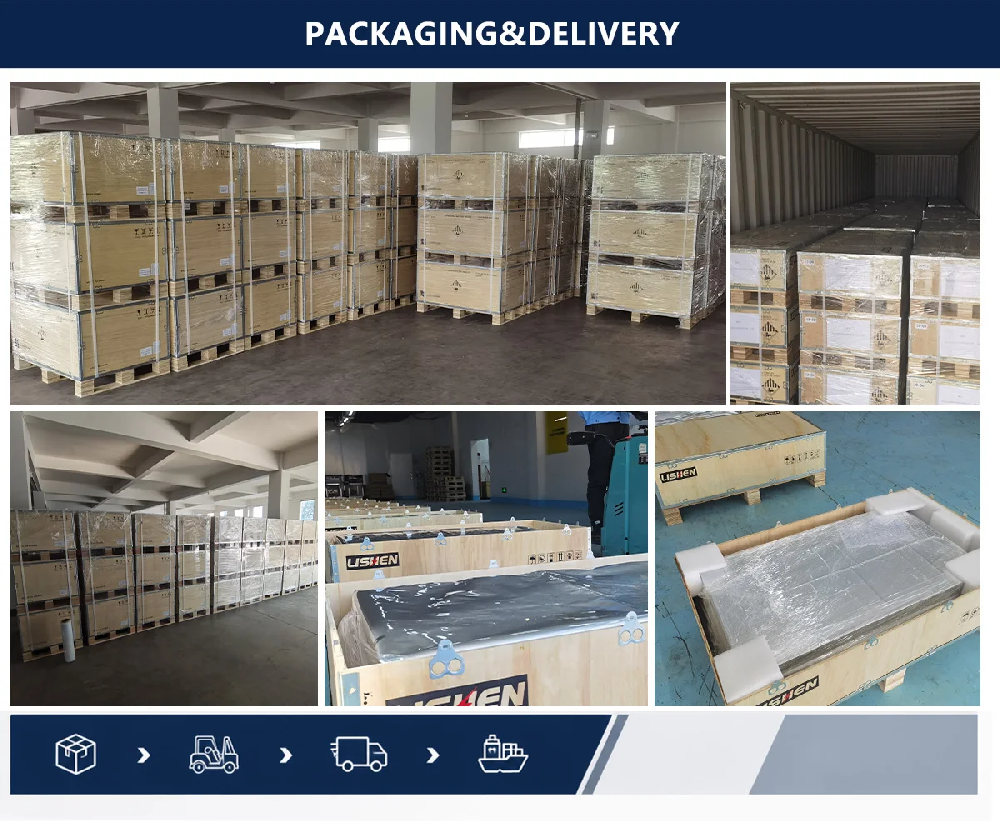
One-stop foreign trade battery PACK service: Direct access to global markets
Lithium Iron Phosphate Battery: The Safe Choice for Electric Buses
Global Trends of Lithium Iron Phosphate Application in Pure Electric Buses

Breakthrough in Lithium Iron Phosphate Battery Low Temperature Technology: Solving Operating Challenges in Cold Regions
Chinese scientists have made a pioneering breakthrough in lithium battery technology! The battery's endurance has been significantly enhanced and it is more resistant to freezing.
Fast Technology reports that, according to CCTV News, a team of researchers from Nankai University and the Shanghai Space Power Research Institute, among others, have achieved a groundbreaking breakthrough.
With the use of a new electrolyte technology, it is expected that existing lithium batteries, under the same size and weight, will achieve a significant increase in endurance and their cold resistance will also be significantly enhanced.
It is understood that this achievement was published in the international academic journal "Nature" this morning.
It is introduced that the core breakthrough of the new battery lies in the internal electrolyte, which functions as a "highway" for conducting ions in the battery, between the positive and negative electrodes. It is of crucial significance for the battery's energy efficiency, working stability, and temperature adaptability.
Currently, the electrolyte solvent of lithium-ion batteries usually contains an important element - oxygen.
Its advantage is that it has strong solubility for lithium salts, but this strong interaction also limits charge transfer, making it difficult to further increase the battery's energy density and limiting its low-temperature performance.
The team thought of the fluorine element in the same period because fluorine has a weaker coordination with lithium, which makes lithium ions transfer more easily, improving the overall power density of the battery.
After years of research and development, the research team overcame key problems such as the difficulty of fluorine dissolving lithium salts, and synthesized a series of new fluorinated hydrocarbon solvent molecules.
By regulating the electronic density of fluorine atoms and the spatial steric hindrance of solvent molecules, it significantly reduces the amount of electrolyte while having the dynamic characteristics of rapid charge transfer, thereby simultaneously improving and low-temperature adaptability.