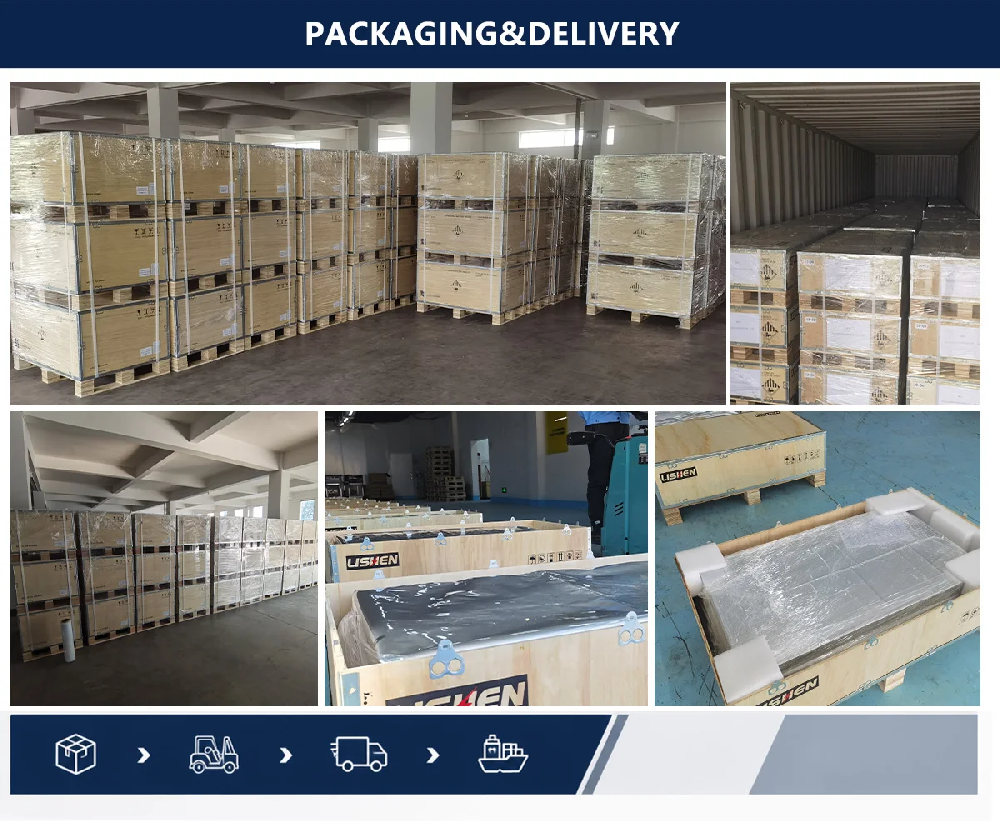
One-stop foreign trade battery PACK service: Direct access to global markets
2026-06-30 14:19:41


One-stop foreign trade battery PACK service: Direct access to global markets
Lithium Iron Phosphate Battery: The Safe Choice for Electric Buses
Global Trends of Lithium Iron Phosphate Application in Pure Electric Buses
Breakthrough in Lithium Iron Phosphate Battery Low Temperature Technology: Solving Operating Challenges in Cold Regions
Technical characteristics:
• Safety barriery: The chemical structure of lithium iron phosphate is stable, with a thermal runaway temperature exceeding 500℃. Compared to lithium cobalt oxide, in scenarios where forklifts frequently start and operate with heavy loads, it will not cause fire or explosion due to overcharging or collisions. Using a common analogy like "a lighter thrown on the battery won't explode", it enables users to intuitively perceive the safety.
• Life advantage: The cycle life of lithium iron phosphate can reach over 3,000 times. Assuming a forklift charges once a day, it can be used for 8-10 years, which is 4 times that of lead-acid batteries. You can calculate this for the user: "The cost of replacing 3 lead-acid batteries is enough to buy 1 lithium iron phosphate battery, and it can also save 2 years of replacement downtime (idle time)."
• Durability attribute: Lithium iron phosphate can adapt to a wide temperature range of -20℃ to 60℃. It can stably discharge in northern winter ports and southern summer open-air warehouses, without the sudden 40% reduction in range in winter like lead-acid batteries.
Analysis of forklift usage scenarios:
• Heavy load compatibility: Lithium iron phosphate supports a large discharge rate of 10C, which can instantly output strong power, suitable for port forklifts to lift more than 10 tons of goods and perform climbing operations, without the situation of "dropping power when heavy loaded".
• Quick charging efficiency: With fast charging technology, 80% of the battery can be charged in 1 hour. Forklift drivers can replenish energy during breaks like eating or shift handovers, without needing to stop and charge for 8 hours like lead-acid batteries. The daily working hours can be increased by 2-3 hours.
• Reliable maintenance: Lithium iron phosphate has no memory effect. There is no need for regular charging and discharging calibration, nor does it require adding electrolyte. Compared to lead-acid batteries, it saves about 20 hours of maintenance time per year, suitable for enterprises to manage forklifts in batches.