One-stop foreign trade battery PACK service: Direct access to global markets
2026-06-30 14:19:41


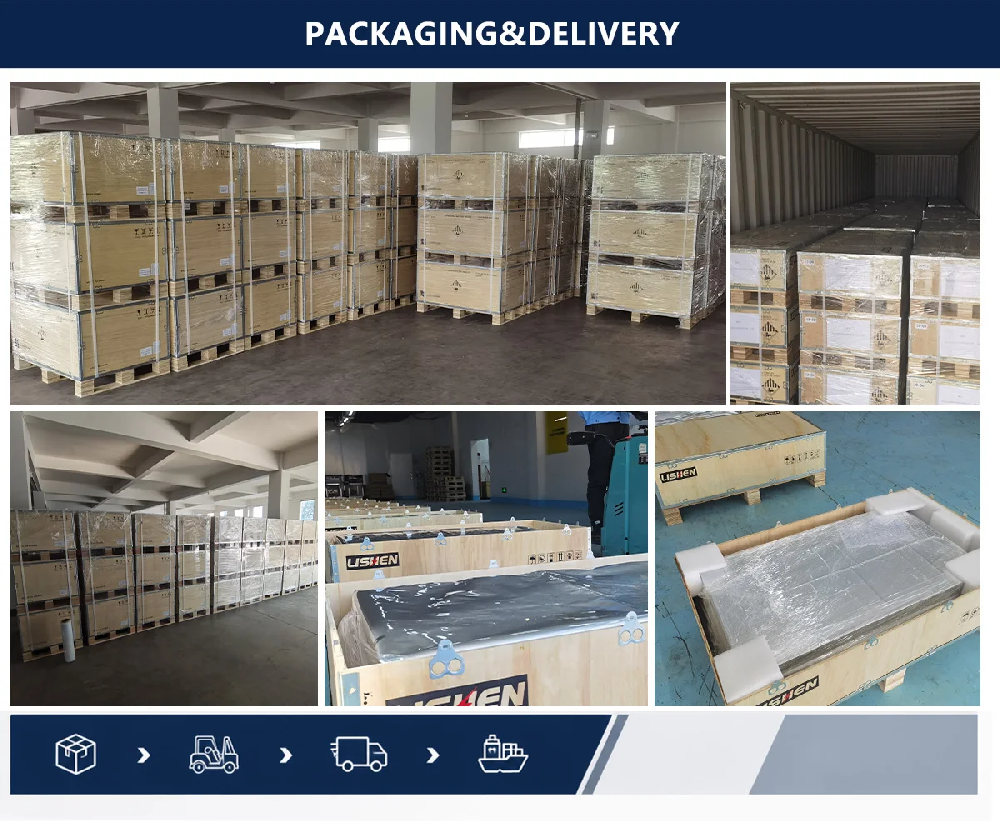
One-stop foreign trade battery PACK service: Direct access to global markets
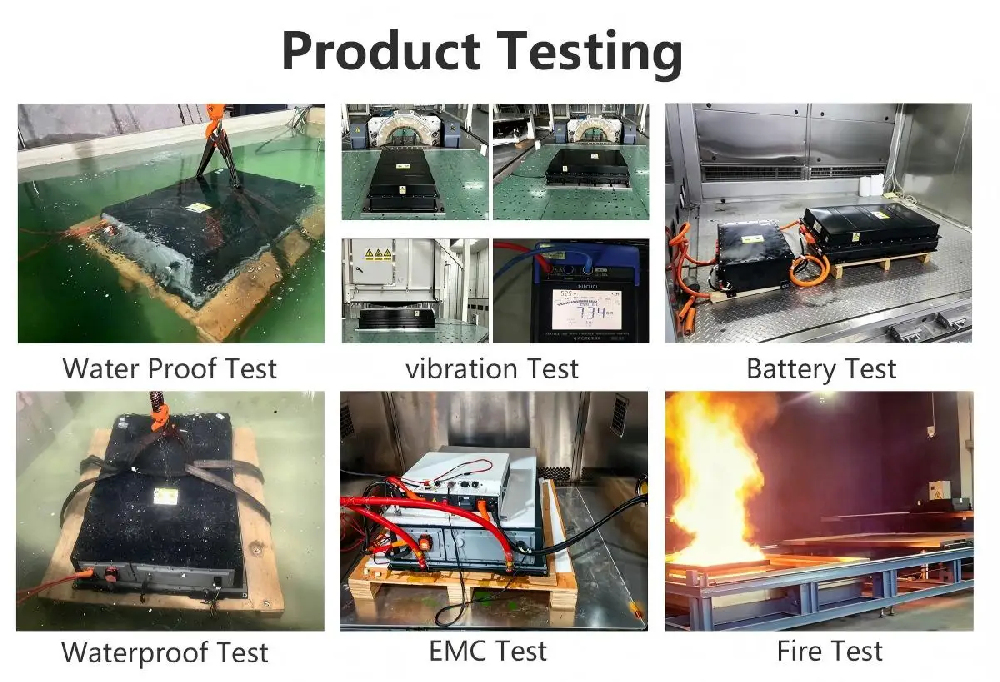
Lithium Iron Phosphate Battery: The Safe Choice for Electric Buses
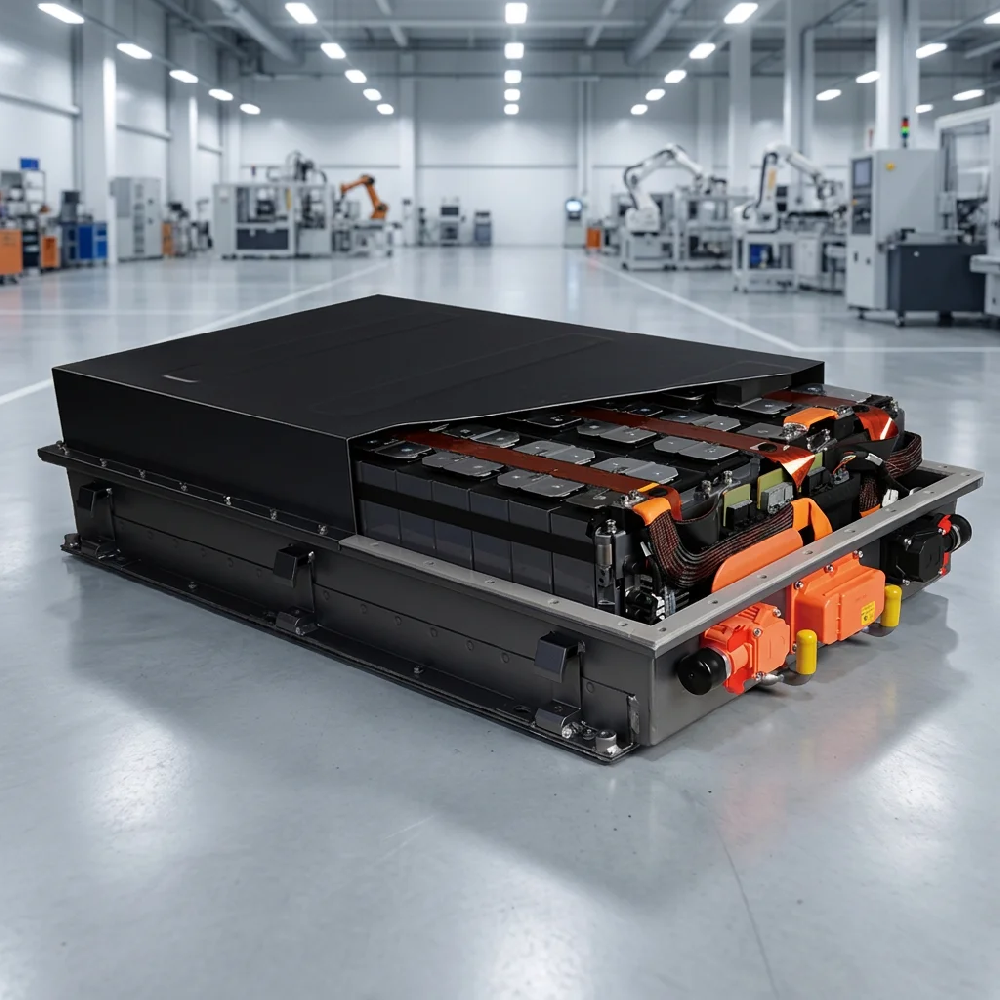
Global Trends of Lithium Iron Phosphate Application in Pure Electric Buses
Breakthrough in Lithium Iron Phosphate Battery Low Temperature Technology: Solving Operating Challenges in Cold Regions
On April 21st evening, CATL announced at the "Super Technology Day" event that the sodium new battery will be officially scaled up for mass production by the end of 2026.
After the news was released, the core words in many reports were "Sodium battery will replace lithium battery".
This judgment is probably wrong. The real opportunity for sodium battery lies in a completely different place.
1. Sodium battery and lithium battery are not a competition at all.
Let's clarify the core differences between the two:
The advantage of lithium battery's ternary is high energy density, while the disadvantage is limited lithium ore sources, high cost, and poor cold-temperature performance.
The advantage of sodium battery is that the raw materials come from sodium salts - domestic resources are extremely abundant and the cost is low - and at the same time, the cold-temperature performance is excellent, retaining 90% of the battery's capacity at -40℃ ( ). The disadvantage is that the energy density is lower than that of lithium battery ternary, and the range is shorter under the same weight.
These advantages and disadvantages determine that sodium battery will not compete with Tesla's Model Y - that scenario has high requirements for range, and sodium battery cannot defeat it.
Sodium battery is aiming to seize another set of completely different scenarios.
Sodium battery cost advantage: After mass production, it is expected to be 30% or more lower than traditional batteries.
Estimated production cost: 0.2 - 0.3 yuan/Wh
Low-temperature performance: Adaptability from -40℃ to 70℃, retaining 90% of the battery's capacity at -40℃ (
2. The real main battlefield of sodium battery: Three low-key large markets
First: Two-wheel electric vehicles and low-speed electric vehicles
There are over 350 million electric bicycles and electric motorcycles in China. This market has long been dominated by lead-acid batteries, which are cheap but heavy, short-lived, and polluting.
Lithium battery has begun to replace lead-acid, but the price is still relatively high for low-end models. Sodium battery provides a third path: lighter and safer than lead-acid, cheaper than low-end lithium batteries, and naturally suitable for transportation scenarios under 100,000 yuan.
The battery demand scale of the two-wheel electric vehicle market is far beyond most people's imagination. According to industry estimates, the annual usage is in the range of 200 GWh. If sodium battery enters this market even by 10%, it will be an additional volume of over 20 GWh.
Second: A00-class sedans and low-speed transportation vehicles such as mini EVs, which are ultra-small electric vehicles, have sensitive battery costs, low range requirements, and strong cold resistance demands in the northern market.
In 2025, the sales volume of A00-class pure electric vehicles is approximately 550,000 units. This segment is precisely where the advantages of sodium batteries, such as "low cost and strong cold resistance", can be fully demonstrated.
Third: Energy storage for AI data centers
This is the most unexpected direction.
The requirements for data center energy storage are: safety, long cycle life, and low-temperature stability. Lithium-ion and lithium iron phosphate batteries meet the first two requirements, but their performance is limited in extremely low-temperature regions. Sodium batteries can still output stably at -40°C, which is almost tailor-made for this scenario.
Sodium batteries are not intended to replace lithium batteries. They are meant to complement the areas where lithium batteries cannot reach.
Who will feel the impact on the supply chain first?
The upstream direction driven by sodium battery mass production, several dimensions are worthy of attention (the following is an industry chain logic summary, not investment advice, specific targets please refer to professional institution research reports:
Aluminum foil current collector: Sodium battery uses aluminum foil current collector instead of copper foil used in lithium batteries, and the usage is twice that of lithium batteries.
Positive electrode materials: The main directions are the poly-anionic route (phosphate sodium) and the layered oxide route, many enterprises have already made arrangements, specific progress please pay attention to the announcements of each company.
Hard carbon anode: Sodium battery anode material, there are domestic enterprises with technological accumulation, and with the promotion of sodium battery mass production, there is expected to form demand.
CATL announced mass production, it is not the end, but the starting point for the industry to start seriously considering sodium batteries.
A technology from "looking good in the laboratory" to "actually running on the production line" often has a ten-year distance.
The next question is where the market is. And the market is in the three places mentioned above.
This article is only for information sharing and industry analysis, does not constitute any investment advice, investment analysis opinions or trading invitations. The market has risks, investment should be cautious. Anyone making investment decisions based on the content of this article shall bear the risks and profits and losses by themselves. The author and the publishing platform shall not bear any legal responsibility.