Philippine subsidies policy for purchasing electric buses and buses, and core application conditions
2026-07-27 16:29:16


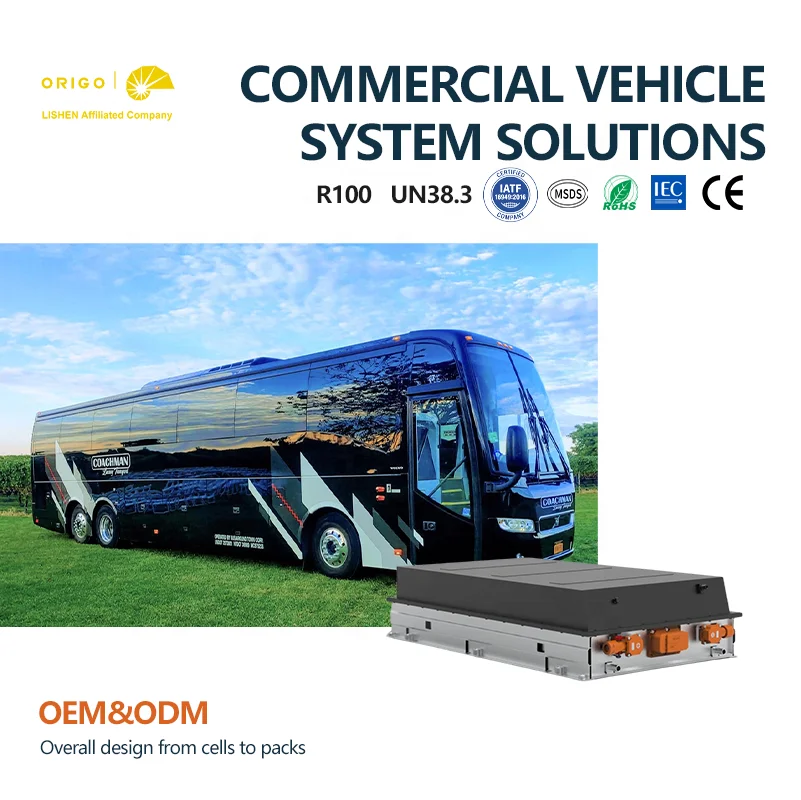
Philippine subsidies policy for purchasing electric buses and buses, and core application conditions
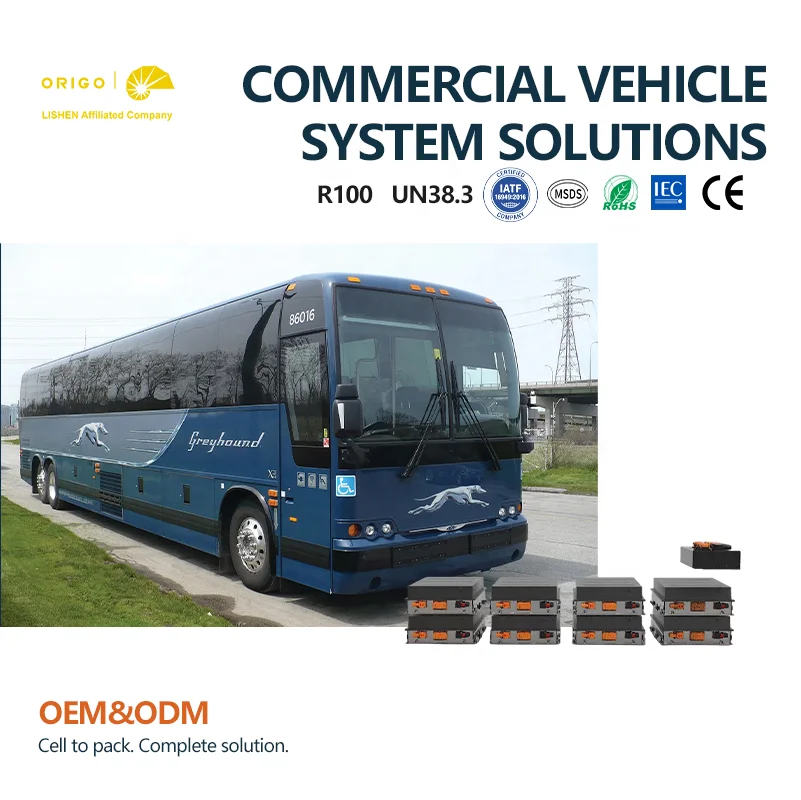
Singapore's Purchase Subsidy Policy for Electric Buses/ City Buses and Key Application Requirements
Malaysian subsidies policy for purchasing electric buses & city buses, and core application conditions
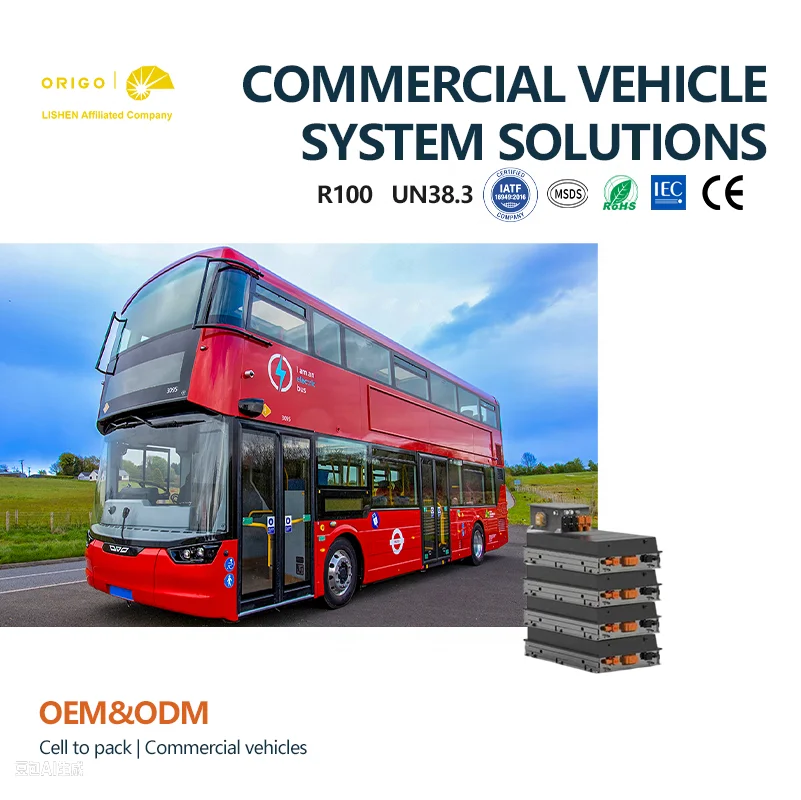
Thailand's Purchase Subsidy Policy for Electric Buses/ City Buses and KeyApplication Requirements
In a forklift battery—especially a lithium-ion battery system—the phrase “supports regenerative current” simply means:
the battery can safely accept and store electrical energy generated by the motor during braking, downhill travel, or load lowering, instead of wasting it as heat.
How It Works
When a forklift:
Decelerates or brakes,
Travels downhill,
Lowers its forks,
the traction motor acts as a generator and produces electricity. This reverse flow of current is called regenerative current.
If the battery “supports regenerative current,” its Battery Management System (BMS) allows this current to flow back into the battery and recharge it.
Why Lead-Acid Batteries Usually Don’t Support It.
Lead-acid batteries have poor high-current charge acceptance; fast charging easily causes gassing and overheating.
Many lead-acid forklifts use braking resistors to dissipate regenerative energy as heat.
Lithium-ion batteries, by contrast, have advanced BMS and better charge acceptance, making energy recovery practical and safe.
Key Benefits
l Energy savings & longer runtime
l In stop-and-go operations (warehouses, logistics centers), 10–20% of energy can be recovered.
l Reduced brake wear
l Regenerative braking reduces reliance on mechanical brakes, lowering maintenance costs.
l Less heat generation
No large braking resistors means lower system temperatures and a cooler working environment.
Higher productivity
The same battery capacity supports longer operating time per shift.
Technical Notes
The BMS must limit regenerative current to prevent overvoltage or over-temperature conditions.
The forklift controller and motor drive must be designed to route regenerative energy back to the battery.
Regeneration is typically disabled when the battery is nearly full or the temperature is too low.
In short:
“Supporting regenerative current” means the battery can safely recycle energy from braking, downhill travel, and load lowering to recharge itself—improving efficiency, reducing maintenance, and extending runtime. It is one of the key advantages of lithium-ion forklift batteries over traditional lead-acid systems.