One-stop foreign trade battery PACK service: Direct access to global markets
2026-06-30 14:19:41


One-stop foreign trade battery PACK service: Direct access to global markets
Lithium Iron Phosphate Battery: The Safe Choice for Electric Buses
Global Trends of Lithium Iron Phosphate Application in Pure Electric Buses
Breakthrough in Lithium Iron Phosphate Battery Low Temperature Technology: Solving Operating Challenges in Cold Regions
Step 1: Clearly define your own needs and match with the working conditions
The core of choosing a lithium-ion forklift battery is to match the actual working environment. Avoid overemphasizing parameters or blindly cutting costs.
Work intensity and frequency
If it is multi-shift continuous operation (such as logistics warehouse distribution, port terminals), prioritize choosing batteries with a cycle life of ≥ 4000 times and support fast charging (80% charged in 1 hour)
For single-shift operation, you can moderately lower the cycle life requirement, but ensure the battery can cover the entire working duration of the day. Environmental adaptability
Low-temperature environment (such as cold storage, outdoor in northern winter): Select batteries with low-temperature discharge technology to ensure that they can maintain over 80% discharge efficiency at -20℃
High humidity/corrosive environment (such as ports, chemical warehouses): Need to have an IP65 or higher protection level to prevent water vapor and salt from eroding
Forklift type and compatibility
Reach truck: Pay attention to the weight of the battery matching the original vehicle's counterweight to avoid "tilting" or stability issues
Pallet truck vehicle: Prioritize lightweight design to reduce the vehicle's self-weight and improve operational flexibility
Key verification: Confirm that the battery size is fully compatible with the original vehicle's battery compartment, and it can be directly replaced without modification
The third step: Supply chain and quality control capability assessment
The long-term stability of lithium batteries depends on the supply chain management capability. It is recommended to verify from the following dimensions:
Cell source
Give priority to products that use automotive-grade A batteries.
Avoid choosing products using dismantled parts, B-grade batteries or products with unknown sources
Production process
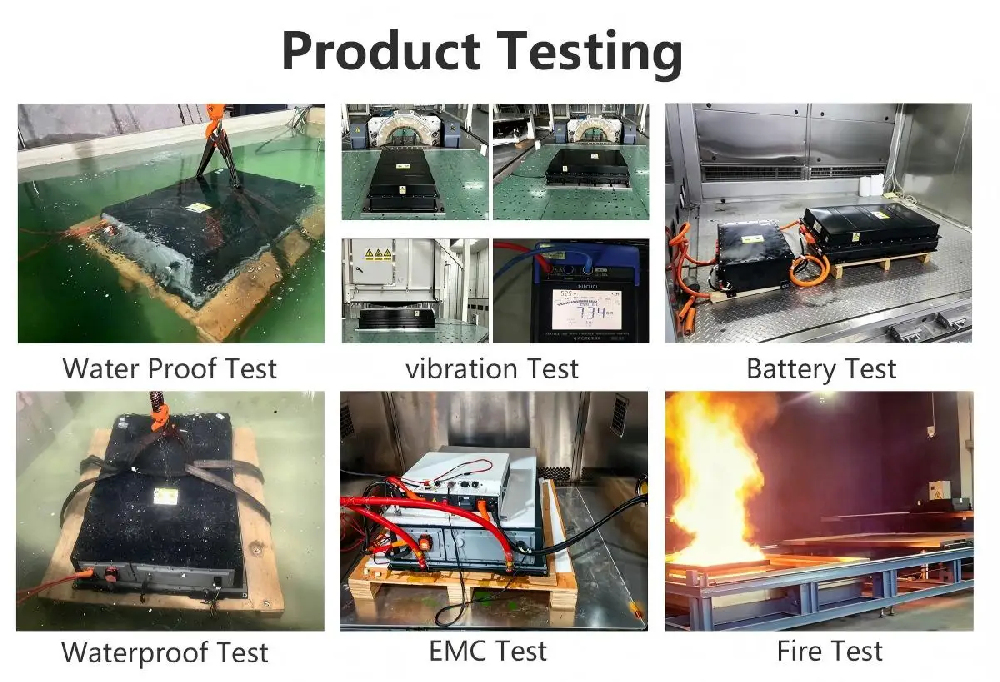
Examine whether there is a complete PACK production line and whether it uses automated welding and detection equipment
Pay attention to whether it has passed the IATF16949 automotive quality management system certification
Brand and reputation
Prioritize brands that have been focused on industrial lithium batteries for 3 years or more
Check customer cases and evaluations, and focus on the stability of the battery in actual working conditions
Investment return calculation
Take a 5-ton forklift as an example, the initial investment in lithium batteries is approximately 40,000 yuan, and the annual comprehensive cost is approximately 8,000 yuan
Lead-acid batteries have an initial investment of approximately 15,000 yuan, and the annual comprehensive cost is approximately 12,000 yuan
Usually, the cost difference can be recovered in 2-3 years, and it is more economical for long-term use
The fifth step: Purchase and acceptance precautions
Contract and terms
Specify the battery warranty period (recommend ≥ 2 years or 2,000 cycles)
Agree on the capacity degradation standard (such as a 2-year capacity degradation ≤ 20%)
Confirm the after-sales response time and maintenance service terms
Acceptance points
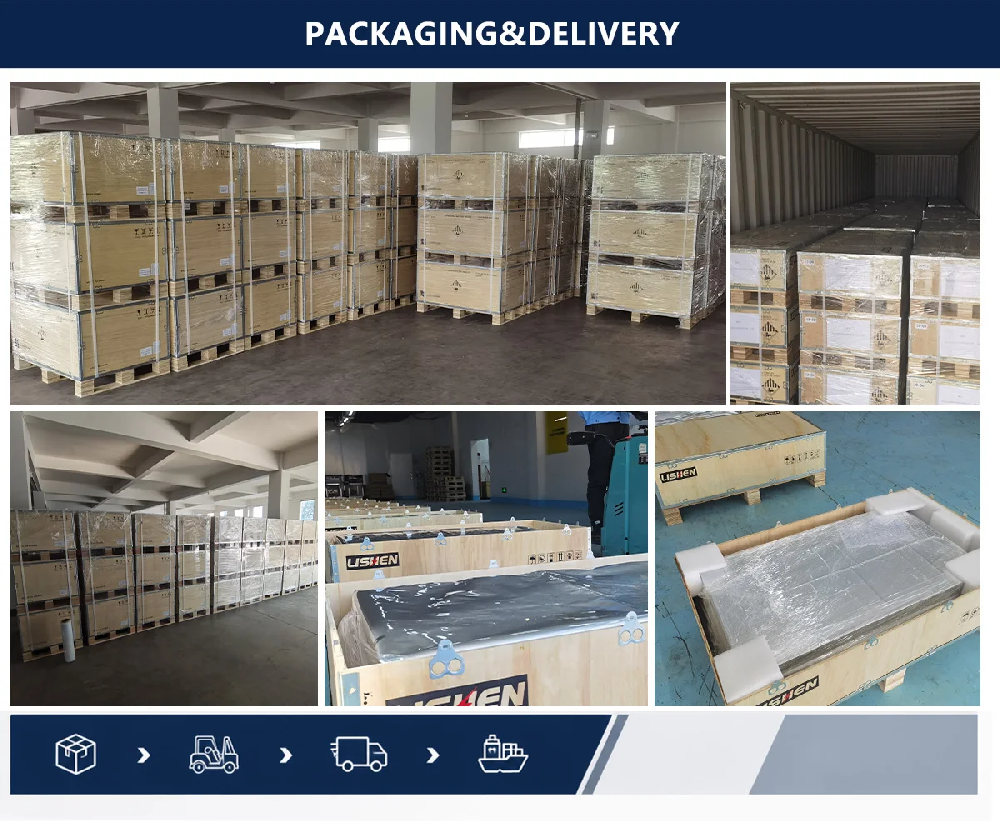
Check the packaging integrity and product identification (brand, capacity, voltage, production date, etc.)
Perform charging tests to verify charging efficiency and BMS function
Actual operation tests to check compatibility with the forklift control system