Electric three- and four-wheelers are quietly consuming vast quantities of lithium batteries.
2026-08-29 09:51:16


Electric three- and four-wheelers are quietly consuming vast quantities of lithium batteries.
Are you ready for the reduction in export tax rebates for lithium batteries?
What do you know about basic performance testing for lithium batteries?
Formation Mechanism and Prevention of Lithium Dendrites
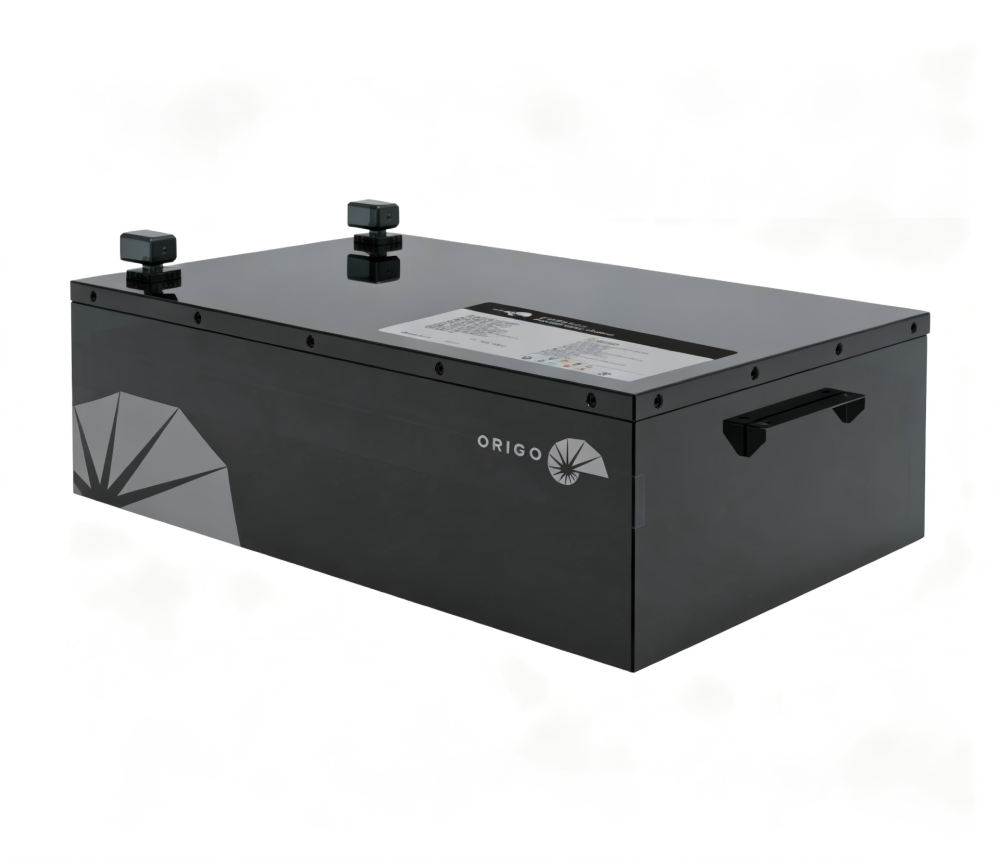
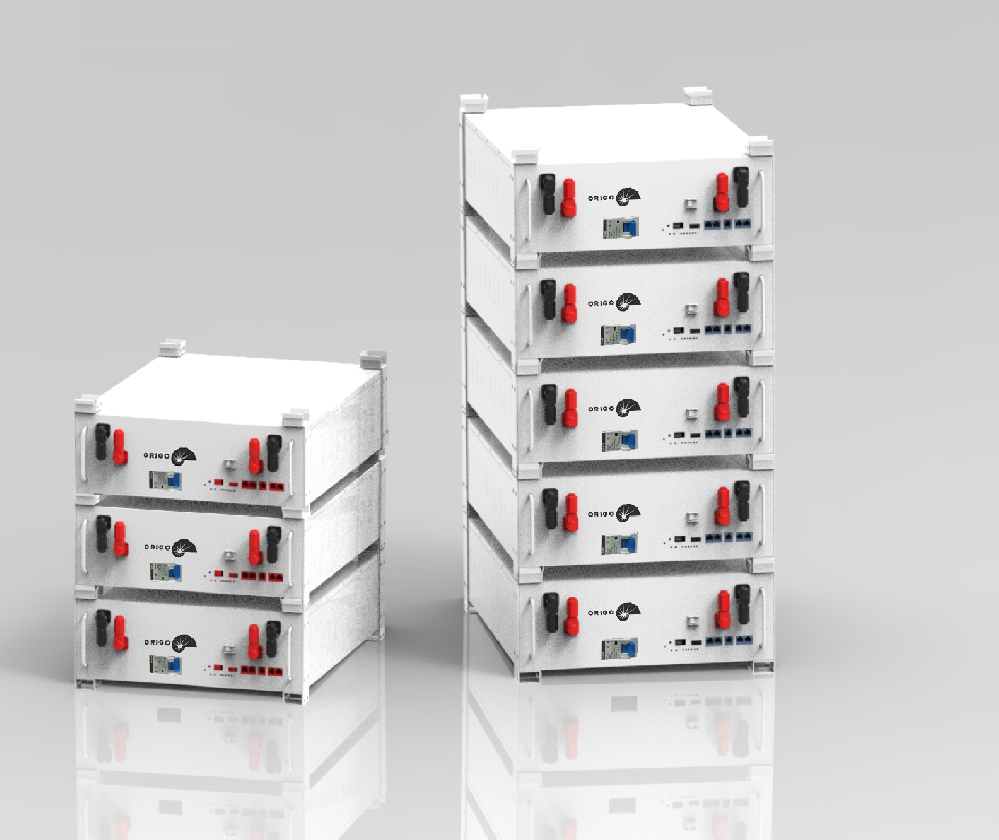
In the residential energy storage sector, Lithium Iron Phosphate (LFP) batteries are increasingly replacing ternary lithium batteries, becoming the preferred cell type for overseas residential storage systems. Their core advantages lie in four areas: superior thermal stability and enhanced safety; a cycle life exceeding 6,000 cycles, resulting in a longer service life; low self-discharge rates, making them ideal for long-term energy storage; and the absence of cobalt and nickel, which keeps raw material costs manageable and makes them highly suitable for large-scale storage projects.
Overseas customers often focus on specific details such as low-temperature discharge performance, BMS balancing and protection, and safeguards against overcharge and over-discharge. High-quality energy storage battery packs feature intelligent BMS management systems, support RS485 communication, and offer IP65-rated protection; these features make them suitable for outdoor installation and capable of meeting the needs of both off-grid and grid-tied residential energy storage applications.
Industry trends point toward the continuous evolution of high-density LFP materials. This advancement further boosts energy density, reduces battery volume, and lowers transportation costs—factors that significantly benefit the export of energy storage batteries.
We offer customized lithium iron phosphate (LFP) energy storage battery packs and welcome inquiries regarding residential or C&I (commercial and industrial) energy storage solutions.