Treat Your Lithium Battery Right, and It Will Stay Like New for Years
2026-09-30 09:51:36


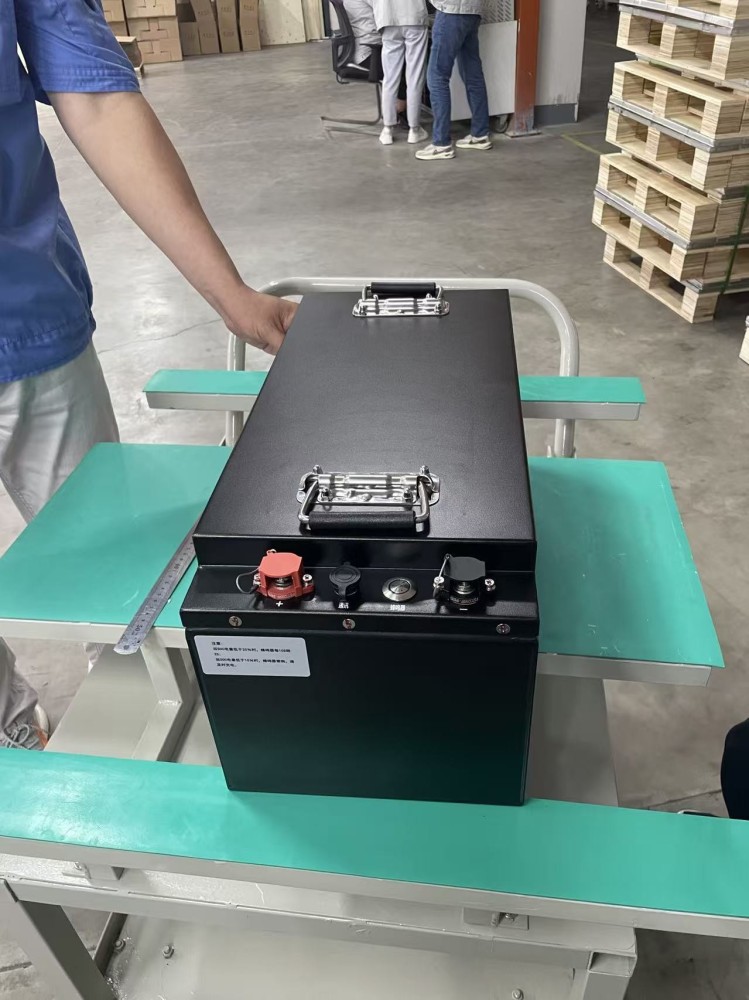
Treat Your Lithium Battery Right, and It Will Stay Like New for Years

Three Questions to Ask Before Switching to Lithium Batteries

Electric three- and four-wheelers are quietly consuming vast quantities of lithium batteries.
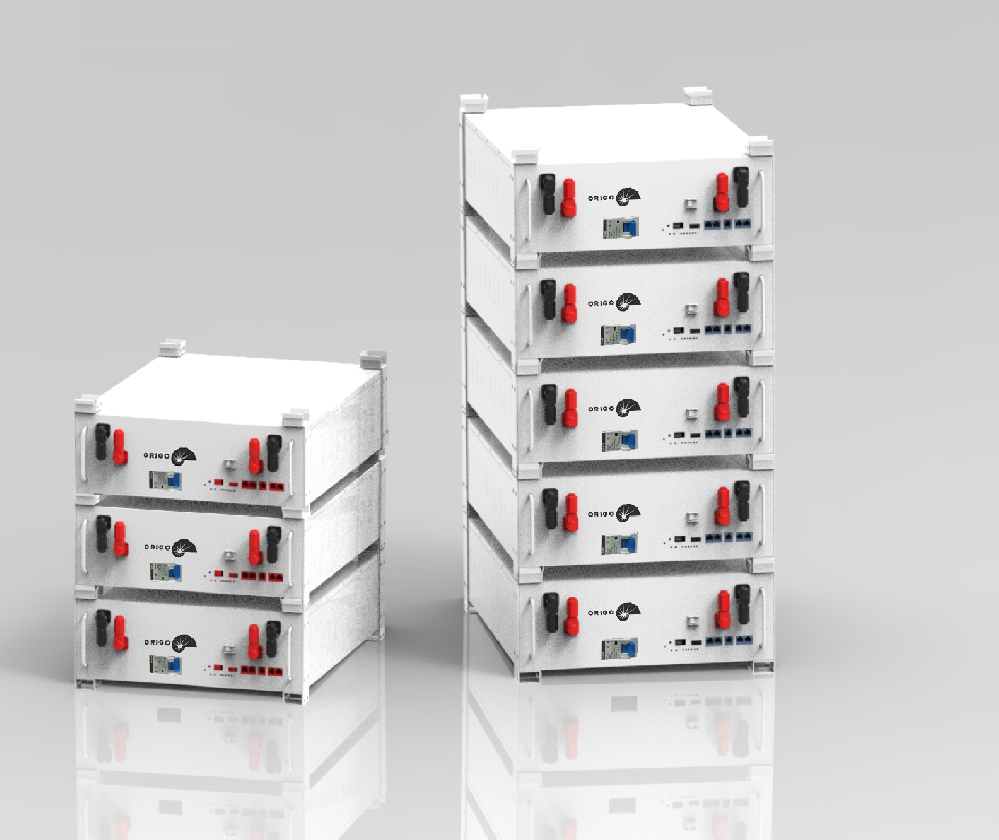
Are you ready for the reduction in export tax rebates for lithium batteries?
As the new energy industry rapidly expands, battery packs serve as the core energy units for energy storage and new energy equipment; their performance stability and operational safety directly determine the service life and reliability of the entire system. Rigorous and comprehensive battery pack testing is a critical step in transitioning products from R&D to deployment and serves as the primary safeguard for product safety.
In professional battery pack testing laboratories, multiple battery packs undergo a series of validation tests—including operational condition simulation, electrical performance assessment, and reliability testing—simultaneously. Specialized equipment simulates the complex conditions encountered during actual use to comprehensively evaluate the pack's performance; the resulting data serves as a vital basis for assessing product quality.
Why Battery Pack Testing Is Crucial
1. Safeguarding Operational Safety and Mitigating Risks
Battery packs are complex assemblies comprising numerous cells, a Battery Management System (BMS), high-voltage wiring harnesses, and structural components. Issues such as cell inconsistency, poor connector contact, thermal design flaws, or BMS logic errors can trigger safety hazards like overheating or short circuits.
Comprehensive testing exposes design defects and component-level risks early on, allowing for risk mitigation prior to mass production and preventing safety incidents during actual field application.
2. Validating Overall Performance and Real-World Operational Capability
Laboratory testing replicates real-world usage scenarios, including charge-discharge cycles, high and low-temperature environments, high-current output, and load fluctuations. These tests evaluate key metrics—such as capacity output, charge-discharge efficiency, voltage differential control, and thermal management—to confirm that the battery pack meets design specifications under rigorous conditions and to prevent discrepancies between nominal ratings and actual performance.
3. Verifying BMS Compatibility and Integration
The BMS acts as the "brain" of the battery pack, managing cell monitoring, cell balancing, over-voltage and over-current protection, and thermal control. Comprehensive testing is essential to verify that BMS strategies are properly matched to the battery pack, ensuring precise monitoring of individual cells and timely activation of protective measures during anomalies, thereby preventing pack-wide damage caused by management logic failures. 4. Enhance product durability and extend service life
Tests covering cyclic durability, vibration, and environmental adaptability simulate the wear and tear experienced during long-term operation. Test results enable the optimization of structural design, thermal management, and assembly processes, thereby slowing performance degradation, extending the overall lifespan of the battery pack, and reducing long-term O&M costs.
5. Meet industry standards and ensure market compliance
Energy storage systems, industrial batteries, and automotive batteries are all subject to specific national and industry regulations. Standardized pack testing is an essential step in ensuring regulatory compliance; it provides reliable data to support mass production and project delivery, guaranteeing that products enter the market in full compliance with standards.